


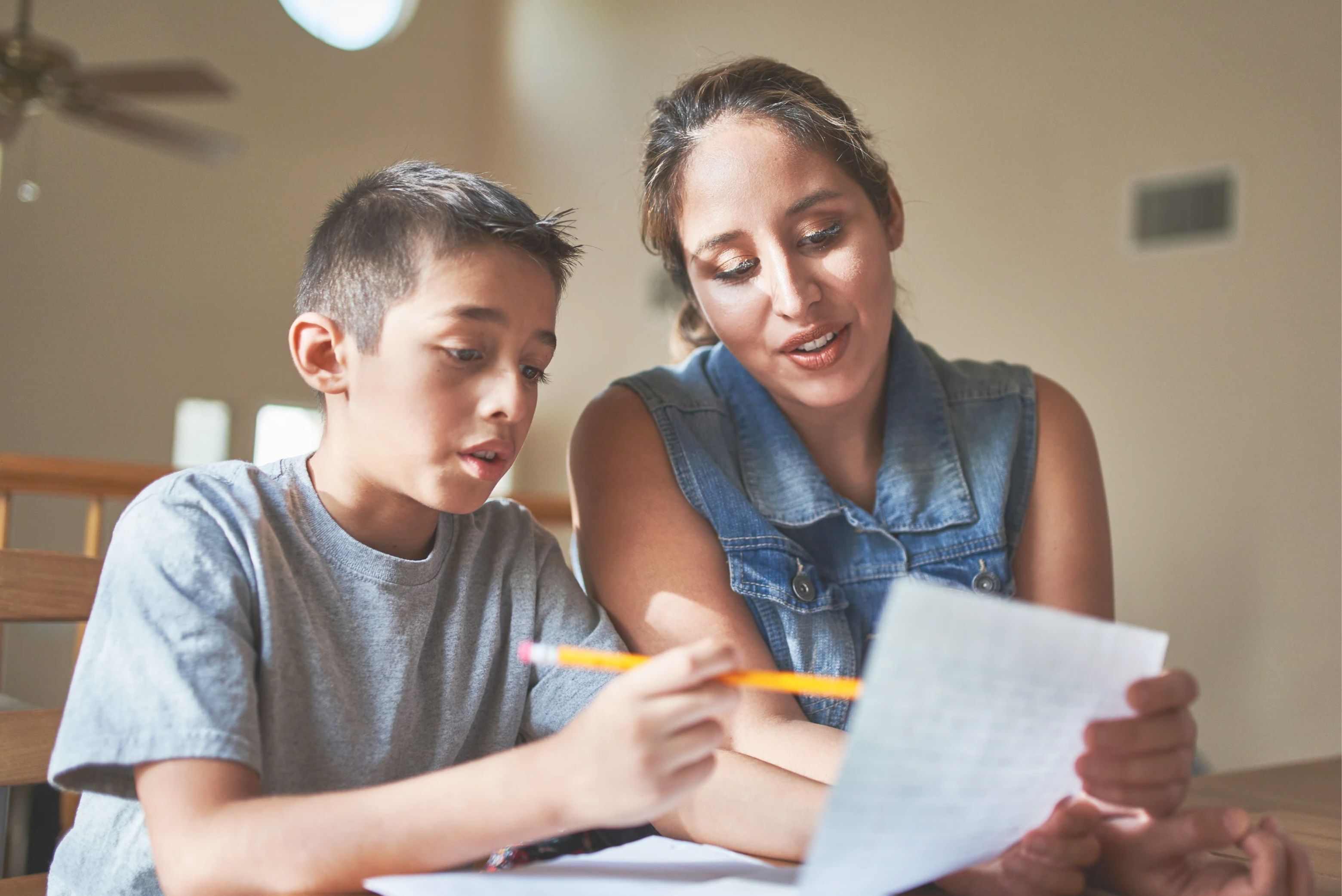
The beginning of a new school year can bring excitement, new routines, and sometimes new challenges. For many families, homework can quickly become one of the most stressful parts of the day. Children may be tired after school, distracted by screens or activities, or frustrated by assignments that feel difficult. Parents and caregivers may also be tired after a long day, making it harder to stay calm when homework takes longer than expected.
The good news is that homework does not have to become a daily battle. A few positive parenting strategies can help children develop healthy homework habits while building confidence and independence.
Give children time to transition after school.
Children often need a little time to recharge before starting homework. Depending on your family’s schedule, this might mean having a snack, talking about their day, playing outside, or taking a short break. Let children know when homework time will begin and give them a reminder a few minutes beforehand so they can prepare for the transition.
If your teens do not want to talk, avoid pressuring them. Simply knowing that a trusted adult is available can help them feel supported.
Create a predictable homework routine.
Choose a regular time and place for homework whenever possible. The routine does not have to look the same every day, especially when families are balancing work, activities, appointments, and other responsibilities. What matters is helping children know what to expect.
Keep expectations simple and clear. For example:
- Get your backpack, books, and supplies ready.
- Complete homework before screen time.
- Ask for help when you need it.
- Put completed homework back in your backpack.
When expectations are clear and realistic, children have a better chance of being successful.
Notice and praise their effort.
Try to notice what your child is doing well instead of only focusing on unfinished work or mistakes. Descriptive praise tells children exactly what behavior you appreciate: “You got started as soon as homework time began,” or “You stayed focused even though that problem was difficult.”
Praise can help children recognize their own progress and encourage them to keep trying.
Give just enough help.
It can be tempting to step in and provide the answer when a child becomes frustrated. Instead, try using questions that encourage them to think through the problem: “What have you tried already?” “What do you think the question is asking?” or “Where could you look for the answer?”
If your child continues to struggle after a few prompts, provide enough guidance to help them move forward without completing the work for them. The goal is to support their learning while gradually helping them become more independent.
Break big tasks into smaller steps.
A long worksheet, reading assignment, or school project can feel overwhelming. Help your child divide the work into smaller, achievable pieces. A short stretch break, snack, or preferred activity between sections can also help maintain motivation.
Final Thoughts
Homework routines take time to develop. Some days will go smoothly, and other days may require patience and flexibility. Keeping expectations realistic, noticing your child’s efforts, and providing calm, consistent support can make homework time more manageable for the whole family.
Most importantly, homework is an opportunity for children to practice skills beyond academics, such as independence, problem-solving, persistence, and responsibility. With encouragement and a predictable routine, children can gradually learn to manage more of their schoolwork on their own.
EN ESPANOL
El comienzo de un año escolar puede traer emoción, nuevas rutinas y, a veces, nuevos desafíos. Para muchas familias, la tarea puede convertirse rápidamente en una de las partes más estresantes del día. Los niños pueden estar cansados después de la escuela, distraídos por pantallas o actividades, o frustrados por tareas que resultan difíciles. Los padres y cuidadores también pueden estar cansados después de un día largo, lo que dificulta mantener la calma cuando la tarea tarda más de lo esperado.
La buena noticia es que la tarea no tiene por qué convertirse en una batalla diaria. Algunas estrategias positivas de crianza pueden ayudar a los niños a desarrollar hábitos saludables para completar la tarea mientras fomentan la confianza e independencia.
Dé tiempo a los niños para que se adapten después de la escuela.
Los niños suelen necesitar un poco de tiempo para recargar energías antes de empezar la tarea. Dependiendo del horario de su familia, esto puede significar tomar un refrigerio, hablar sobre su día, jugar fuera o tomar un breve descanso. Informe a los niños cuándo empezará la hora de la tarea y deles un recordatorio unos minutos antes para que puedan prepararse para la transición. Si sus hijos adolescentes no quieren hablar, evite presionarlos. Simplemente saber que hay un adulto de confianza disponible puede ayudarles a sentirse apoyados.
Establezca una rutina predecible para la tarea.
Elija un horario y un lugar regulares para la tarea siempre que sea posible. La rutina no tiene que ser igual todos los días, especialmente cuando las familias tratan con trabajo, actividades, citas y otras responsabilidades. Lo importante es ayudar a los niños a saber qué esperar.
Mantenga las expectativas simples y claras. Por ejemplo:
- Prepara tu mochila, libros y materiales.
- Haz los deberes antes de tiempo de pantalla.
- Pide ayuda cuando la necesites.
- Guarda la tarea terminada en tu mochila.
Cuando las expectativas son claras y realistas, los niños tienen más posibilidades de tener éxito.
Fíjese y elogie su esfuerzo.
Intente fijarse en lo que su hijo está haciendo bien en lugar de centrarse solo en trabajos pendientes o errores. El elogio descriptivo les dice a los niños exactamente qué comportamiento aprecia usted: "Empezaste en cuanto empezó la hora de la tarea" o "Te mantuviste concentrado aunque ese problema fue difícil." El elogio puede ayudar a los niños a reconocer su propio progreso y animarlos a seguir intentándolo.
Dé la ayuda justa.
Puede ser tentador intervenir y dar la respuesta cuando un niño se frustra. En su lugar, pruebe usar preguntas que les animen a reflexionar sobre el problema: "¿Qué has intentado ya?" "¿Qué crees que está preguntando la pregunta?" o "¿Dónde podrías buscar la respuesta?"
Si el niño sigue batallando después de varias pautas, proporcione suficiente orientación para ayudarles a avanzar sin completar el trabajo por ellos. El objetivo es apoyar su aprendizaje mientras les ayuda gradualmente a volverse más independientes.
Divida las tareas grandes en trozos más pequeños.
Una hoja de trabajo larga, una tarea de lectura o un proyecto escolar pueden resultar abrumadores. Ayude a su hijo a dividir el trabajo en partes más pequeñas y fáciles de lograr. Un breve descanso para estiramientos, una botana o una actividad preferida entre secciones también puede ayudar a mantener la motivación.
Reflexiones finales
Las rutinas de la tarea requieren tiempo para desarrollarse. Algunos días ocurrirán sin problemas y otros pueden requerir paciencia y flexibilidad. Mantener expectativas realistas, notar los esfuerzos de su hijo y ofrecer un apoyo calmado y constante puede hacer que el tiempo de la tarea sea más manejable para toda la familia.
Lo más importante es que la tarea es una oportunidad para que los niños practiquen habilidades más allá de lo académico, como la independencia, la resolución de problemas, la persistencia y la responsabilidad. Con ánimo y una rutina predecible, los niños pueden aprender gradualmente a hacer más de sus tareas escolares por sí mismos.