


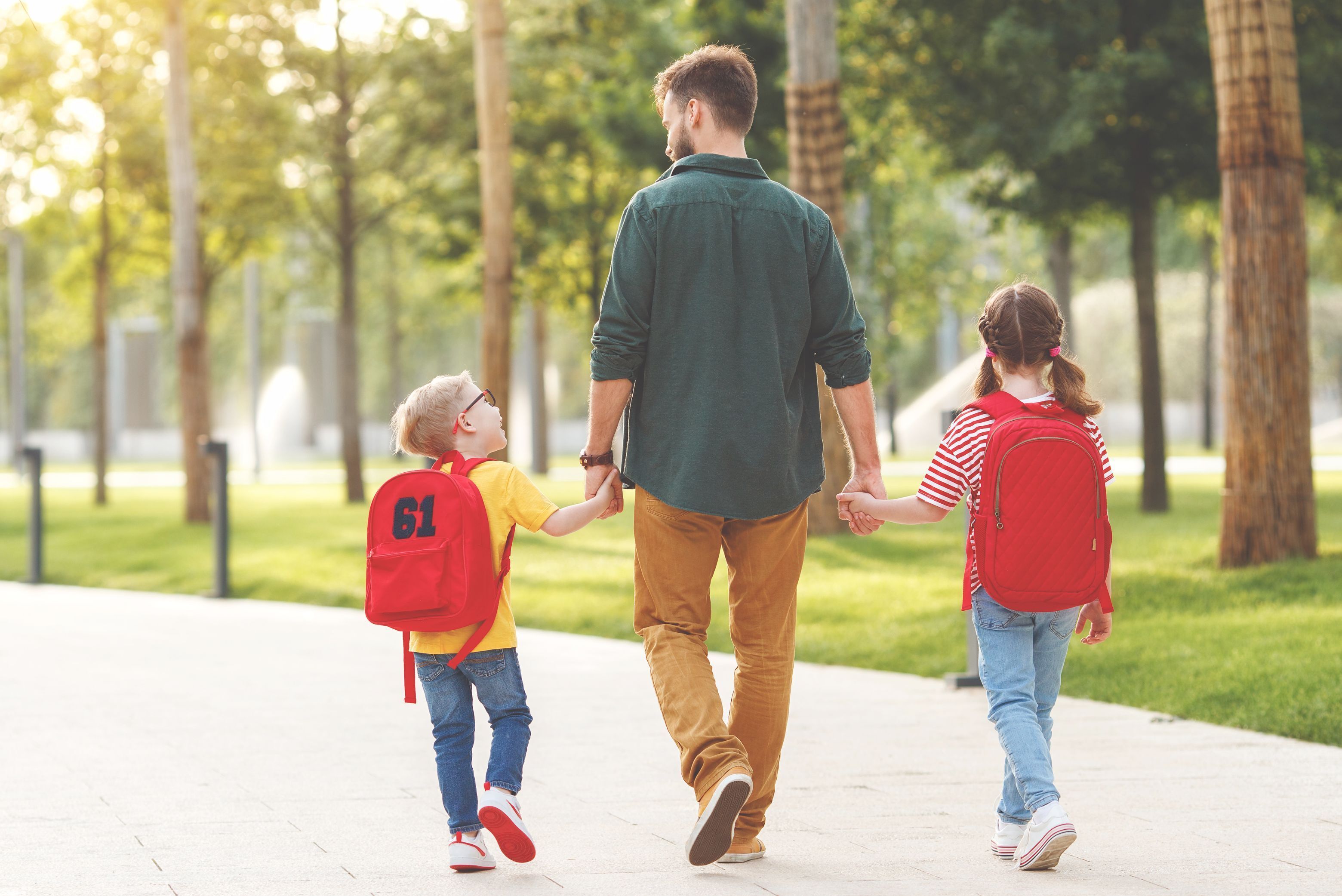
The back-to-school transition can stir up a range of emotions for both parents and children. Excitement and anxiety often go hand in hand as new teachers, new classmates, and new routines replace the relaxed rhythm of summer schedules. Fortunately, a little preparation can make this transition easier, reduce stress, and help everyone embrace the fresh opportunities ahead. Whether it's a return to familiar hallways or a first-ever first day, this school year is a chance to begin a new, exciting chapter! Here are some tips to try, based on the Triple P – Positive Parenting Program.
Talk about school. Start having casual conversations about the new school year. Ask your kids what they’re looking forward to, which friends they’ll be happy to see, and what they’re excited to learn. If your kids express fear or worries, encourage them to talk about why they feel that way. Listen, and reassure them that a lot of kids feel nervous or anxious about starting school. Let them know that sometimes the feeling goes away when school starts, and other times, kids need support to learn ways to handle their feelings. Let them know you’re available to talk and offer support any time.
Re-establish your family rules. Talk with your children and acknowledge that summertime was a fun “break” from the family rules, and now it’s time to get back into your usual routines. Take small, steady steps to re-establish the rules. This helps prevent power struggles and gives your kids plenty of time to adjust before school starts. For example, gradually reduce the amount of screen time they get each day so that by the time school starts, following the family rule about screen time limits doesn’t feel like a sudden or drastic change.
Practice your morning and evening routines. Talk with your kids about the steps to get ready for school – get up, eat breakfast, brush teeth, get dressed, etc. If they’ve been sleeping in during the summer, have them get up a little earlier each morning and go through their routine, beginning at least a week before school starts. Give descriptive praise when they follow the steps of their routines independently – “Nice job getting yourself up and dressed this morning!” Do the same with bedtime routines. Prepare your children by talking with them about their weeknight bedtime and the steps of their evening routine – brush teeth, pajamas, read, hugs/cuddles, etc. If they’ve been staying up late during the summer, have them start their evening routine a little earlier each night, beginning at least a week before school starts.
Continue spending quality time together. Transitioning back to the structured school routine might be hard no matter how much you’ve planned ahead or prepared your kids. Spending quality time together makes children feel safe, secure, and loved, which can help make difficult transitions and big emotions a little easier for them (and you) to manage.
Final Thoughts: Even children who love school can have a hard time transitioning from summertime to schooltime. Taking small steps now to prepare children for the transition will help them enjoy what’s left of the summer and be ready to start the new school year with a positive attitude and eagerness to learn.
La transición de regreso a la escuela puede provocar una gran variedad de emociones tanto en los padres como en los niños. La emoción y la ansiedad suelen ir de la mano, ya que nuevos maestros, nuevos compañeros y nuevas rutinas reemplazan el ritmo relajado de los horarios de verano. Afortunadamente, un poco de preparación puede facilitar esta transición, reducir el estrés y ayudar a todos a aprovechar las nuevas oportunidades que se aproximan. Ya sea un regreso a los pasillos conocidos o un primer día en una nueva escuela, este año escolar es una oportunidad para comenzar un nuevo y emocionante capítulo. Aquí tiene algunos consejos para probar, basados en el Programa Triple P – Crianza Positiva.
Hable sobre la escuela. Empiece a tener conversaciones informales sobre el nuevo año escolar. Pregunte a sus hijos qué esperan con ilusión, qué amigos les alegrará ver y qué les entusiasma aprender. Si sus hijos expresan miedo o preocupaciones, anímelos a hablar sobre por qué se sienten así. Escuche y tranquilíceles diciéndoles que muchos niños se sienten nerviosos o ansiosos al empezar la escuela. Hágales saber que a veces el sentimiento desaparece cuando empieza la escuela, y otras veces, los niños necesitan apoyo para aprender a manejar sus sentimientos. Hágales saber que está disponible para hablar y ofrecerles apoyo cuando quieran.
Vuelva a establecer sus reglas familiares. Hable con sus hijos y reconozca que el verano fue un divertido “descanso” de las reglas familiares, y que ya es hora de volver a las rutinas acostumbradas. Dé pequeños pasos firmes para reestablecer las reglas. Esto ayuda a prevenir luchas de poder y les da a sus hijos suficiente tiempo para adaptarse antes de que empiece la escuela. Por ejemplo, reduzca gradualmente el tiempo de pantalla que tienen cada día para que, cuando empiece la escuela, seguir la norma familiar sobre límites de tiempo frente a pantalla no parezca un cambio brusco o drástico.
Practiquen sus rutinas de mañana y noche. Hable con sus hijos sobre los pasos para prepararse para la escuela: levantarse, desayunar, cepillarse los dientes, vestirse, etc. Si han estado durmiendo hasta tarde durante el verano, que se levanten un poco antes cada mañana y sigan su rutina, empezando al menos una semana antes de que empiece la escuela. Dé un elogio descriptivo cuando sigan los pasos de sus rutinas por sí mismos: "¡Buen trabajo levantándote y vistiéndote esta mañana!" Haga lo mismo con las rutinas antes de dormir. Prepare a sus hijos hablando con ellos sobre su hora de dormir entre semana y los pasos de su rutina nocturna: cepillarse los dientes, ponerse el pijama, leer, abrazos/mimos, etc. Si han estado despiertos hasta tarde en verano, que empiecen su rutina nocturna un poco antes cada noche, empezando al menos una semana antes de que empiece la escuela.
Sigan pasando tiempo de calidad juntos. Volver a la rutina escolar estructurada puede ser difícil, por mucho que haya planeado o preparado a sus hijos. Pasar tiempo de calidad juntos hace que los niños se sientan seguros, protegidos y queridos, lo que puede facilitar que las transiciones difíciles y las grandes emociones sean un poco más fáciles de manejar para ellos (y para usted).
Reflexiones finales: Incluso los niños a quienes les encanta la escuela pueden tener dificultades para pasar del verano al año escolar. Dar pequeños pasos ahora para preparar a los niños para la transición les ayudará a disfrutar de lo que queda del verano y a estar preparados para comenzar el nuevo año escolar con una actitud positiva y ganas de aprender.